

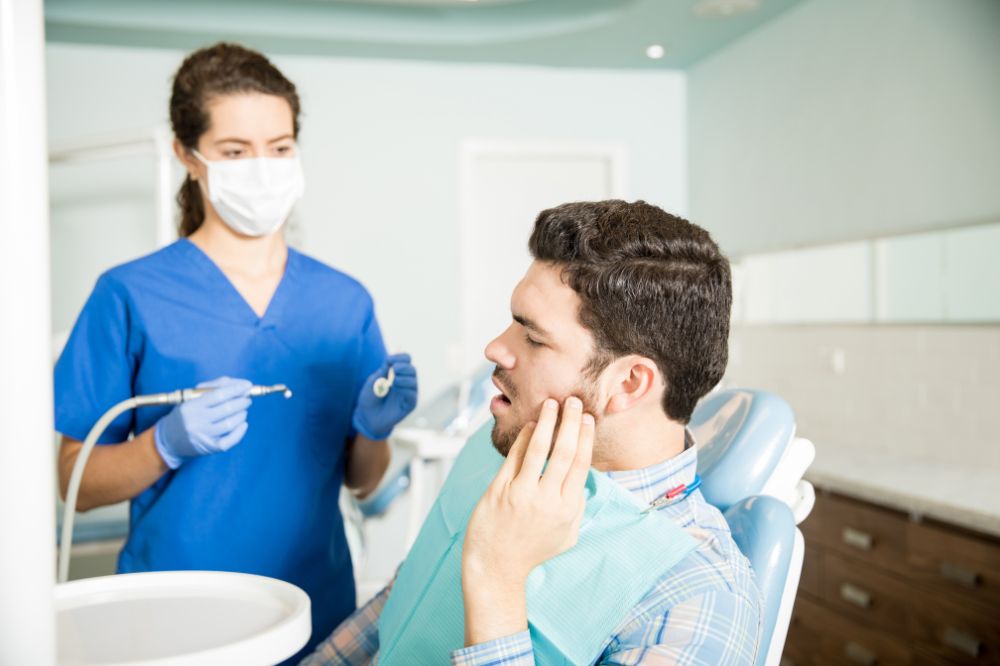
Are you facing sudden tooth pain or a dental emergency and unsure what to do next? A sudden tooth problem can be stressful, especially when pain appears without warning. Many patients visiting a dentist in Ambleside want to understand how to stay calm and properly prepare before urgent dental care.
Knowing the right steps before an emergency visit can make the experience smoother, faster, and much less stressful for both children and adults, while also helping protect the affected tooth from further damage.
When You Might Need an Emergency Dental Visit
Dental emergencies can happen at any time. When you know the signs, you may act quickly and not allow the problem to worsen.
Common situations include:
- Severe tooth pain that does not go away
- A broken or chipped tooth
- Swelling in the gums or face
- Knocked-out tooth
- Bleeding that does not stop.
In these cases, contacting an emergency dentist near you quickly can help protect your tooth and reduce complications.
First Steps to Take During a Dental Emergency
When a dental emergency happens, quick action is very important. Staying calm is the first step.
Here is what you should do:
- Rinse your mouth gently with warm water.
- Apply a cold compress if there is swelling.
- Avoid touching the painful tooth.
- Save any broken tooth pieces if possible.
- Take mild pain relief if needed (only as directed)
These simple steps help control pain and prevent the issue from getting worse before reaching care.
How to Prepare Before Visiting the Dentist
Being prepared can make your visit smoother and less stressful.
Before going to a dental clinic near you, make sure to:
- Note down your symptoms and when they started.
- Bring any medications you are currently taking.
- Carry identification and dental insurance details if available.
- Avoid eating very hard foods before the visit.
- Keep the injured area clean and protected.
This helps the dental team understand your condition quickly and provide the right treatment.
What Happens During an Emergency Dental Visit
Many patients feel nervous, but emergency dental care is focused on comfort and quick relief.
During the visit, the dentist may:
- Examine the affected tooth and gums.
- Take X-rays if needed.
- Provide pain relief treatment.
- Fix broken teeth or stop bleeding.
- Recommend follow-up care if required.
If you search for a dentist near you, you will often find clinics equipped to handle urgent cases with care and speed.
Tips to Stay Calm During Dental Emergencies
Staying calm can help a lot during tooth pain or sudden dental problems.
Helpful tips include:
- Take slow, deep breaths.
- Sit up straight to reduce pressure.
- Use a cold pack to feel better.
- Focus on getting help quickly instead of worrying.
- Ask someone to accompany you if possible.
Calm actions help reduce stress and make the situation easier to handle.
Common Mistakes to Avoid Before Emergency Dental Care
Many don’t know they are making things worse.
Avoid:
- Put off causing unbearable pain for too long.
- Putting aspirin right on your tooth.
- Attempting to mend a broken tooth at home.
- Consuming tough or adhesive cuisine.
- Postponing expert treatment.
Treatments can become more complicated and cause increased damage.
Why Quick Action Matters in Dental Emergencies
Acting quickly can help save a tooth and stop bigger damage later.
Quick treatment helps:
- Reduce pain faster
- Prevent infection from spreading.
- Increase the chances of saving a broken tooth.
- Avoid costly future treatments.
- Protect overall oral health.
That is why contacting a dentist near you as soon as symptoms appear is very important.
Fast Help When You Need Urgent Dental Care Most!
Dental emergencies can feel stressful, but knowing what to do before your visit can make the situation much easier. Quick action, calm steps, and proper preparation help protect your teeth and reduce pain effectively. If you are looking for immediate attention and gentle emergency support, Smart Dental Art is here to help you feel better quickly and safely. Book your visit today.
FAQs
1. What should I do if my tooth gets knocked out?
Keep the tooth moist by placing it in milk or saliva and visit a dentist immediately for the best chance of saving it.
2. Can I wait until morning for dental pain?
Severe pain should not be ignored, as waiting may allow the problem to worsen or lead to infection.
3. Will an emergency dentist remove my tooth right away?
Not always. The dentist first checks if the tooth can be saved before deciding on removal.
4. How long does emergency dental treatment take?
It depends on the issue, but most emergency visits focus on quick pain relief and stabilization.