

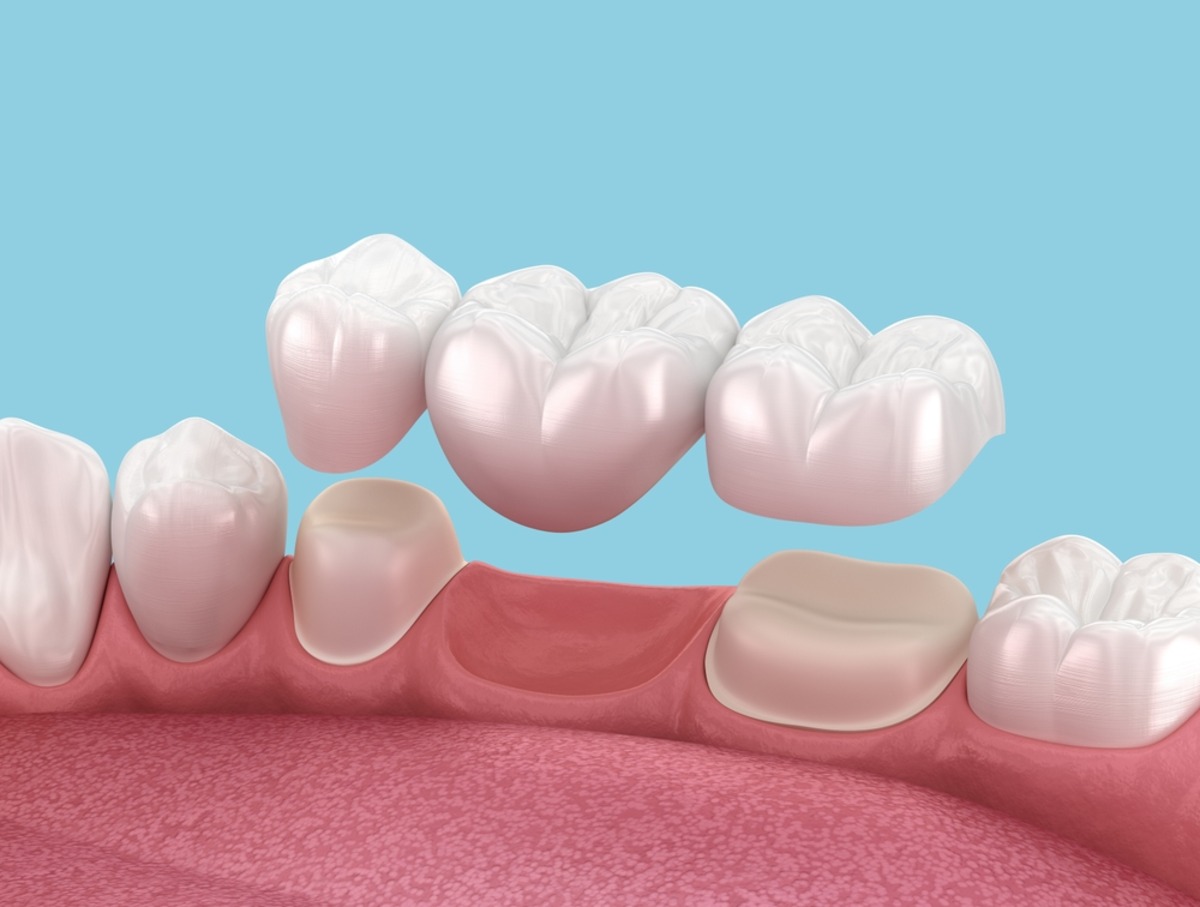
A dental bridge is a proven way to fill gaps and bring back your complete smile. It works by attaching to neighboring natural teeth, known as abutment teeth, to keep your bite strong and stable. Because the entire bridge relies on these supporting teeth, keeping them healthy is essential. If you are considering dental bridges in Windermere, AB, taking care of your anchor teeth is the best way to protect your investment.
If a support tooth develops decay or damage, the entire bridge can lose stability. Knowing what steps to take helps you protect your smile and treat problems before they worsen.
Understanding the Role of Abutment Teeth
To see why a damaged support tooth is a big deal, it helps to understand how a bridge works. A bridge has two main parts: the pontic (the replacement tooth in the middle) and the crowns on either side. These crowns are cemented over your natural support teeth, which hold everything in place and absorb your chewing force.
Maintaining the strength of these anchor teeth is essential because they bear the burden of the missing tooth. The entire restoration may come loose if a support tooth becomes weak, damaged, or infected and is unable to keep the bridge stable.
What Happens If a Supporting Tooth Fails?
When patients ask what happens to a bridge if the supporting tooth fails, the answer depends on the severity of the damage underneath the crown. Because the natural tooth structure is encased under a ceramic or porcelain cap, subtle problems can sometimes go unnoticed until significant breakdown has occurred.
Several common issues can affect an abutment tooth over time:
- Hidden Decay: If dental cement wears away, bacteria can sneak under the crown and cause decay on the natural tooth.
- Cracks or Fractures: Heavy chewing, trauma, or nighttime teeth grinding can crack the underlying root or tooth.
- Nerve Irritation or Infection: Deep decay or past dental work can irritate the tooth’s nerve, causing a painful infection at the root.
- Gum & Bone Loss: Advanced gum disease weakens the bone holding your support tooth, causing it to loosen and lose stability.
When these issues happen, your bridge may feel loose, hurt when you chew, or come off entirely.
Can a Dental Bridge Be Repaired If a Supporting Tooth Is Damaged?
When a tooth under a bridge gets damaged, we cannot simply glue the bridge back on. Since a bridge is one solid piece, we have to fix the natural tooth underneath first.
Here are the ways we can restore your smile:
- Treat the Tooth and Keep Your Bridge: If the root is healthy, we can often treat the infection through a small opening in the crown, seal it up, and keep your current bridge in place.
- Craft a New Bridge: If there is decay under the crown, we safely remove the old bridge, clean and rebuild the support tooth, and make you a fresh, custom bridge.
- Switch to Dental Implants: If the tooth cannot be saved and needs to come out, implants are a great option. They replace missing teeth on their own, without needing help from neighboring teeth.
To find out the precise condition of your supporting teeth before structural failure happens, make an appointment for an evaluation at a reputable dental clinic near you if you think your restoration is shifting or hurting.
Early Warning Signs of Abutment Tooth Damage
The best approach to avoid a dental emergency and safeguard your smile is to identify minor problems early. For a brief examination, go to a reputable dentist in Windermere, AB, if you see any of these symptoms surrounding your bridge:
- Pain When Biting Down: Decay or inflammation behind the crown is frequently the cause of discomfort or pressure.
- A Wobbly or Loose Fit: The dental cement may have washed out if your bridge shifts, clicks, or feels loose.
- Bad Odour or Taste: An unpleasant odour typically indicates that bacteria and food particles are trapped underneath.
- Swollen or Bleeding Gums: Localised gum inflammation or infection is indicated by red, sensitive gums surrounding an anchor tooth.
Restore Comfort and Protect Your Investment
Keeping your supporting teeth strong and healthy is the key to enjoying a functional, confident smile for decades. Paying attention to subtle warning signs like sensitivity or movement allows you to address potential issues long before they cause major discomfort.
If you are experiencing issues with an existing bridge or want to explore your restorative options, contact Smart Dental Art today to schedule your comprehensive consultation.
Frequently Asked Questions
Why does a tooth under a bridge decay if it’s covered?
The bridge itself can’t decay, but where the edge meets your natural gumline is still vulnerable. If bacteria sneak past worn-out cement or plaque builds up, decay can form underneath.
How long do bridge support teeth usually last?
With good daily brushing, flossing underneath, and routine checkups, your support teeth and bridge can easily last 10 to 15 years or longer.
What happens if I ignore a loose or sore bridge?
A loose bridge lets food and bacteria get trapped underneath, speeding up decay. Leaving it alone can lead to severe pain, deep infection, or losing the support teeth altogether.
Can I get an implant if a bridge support tooth fails?
Yes! If a support tooth needs to come out, dental implants are a great fix. They can replace the failed tooth and the missing gap without needing support from neighboring teeth.